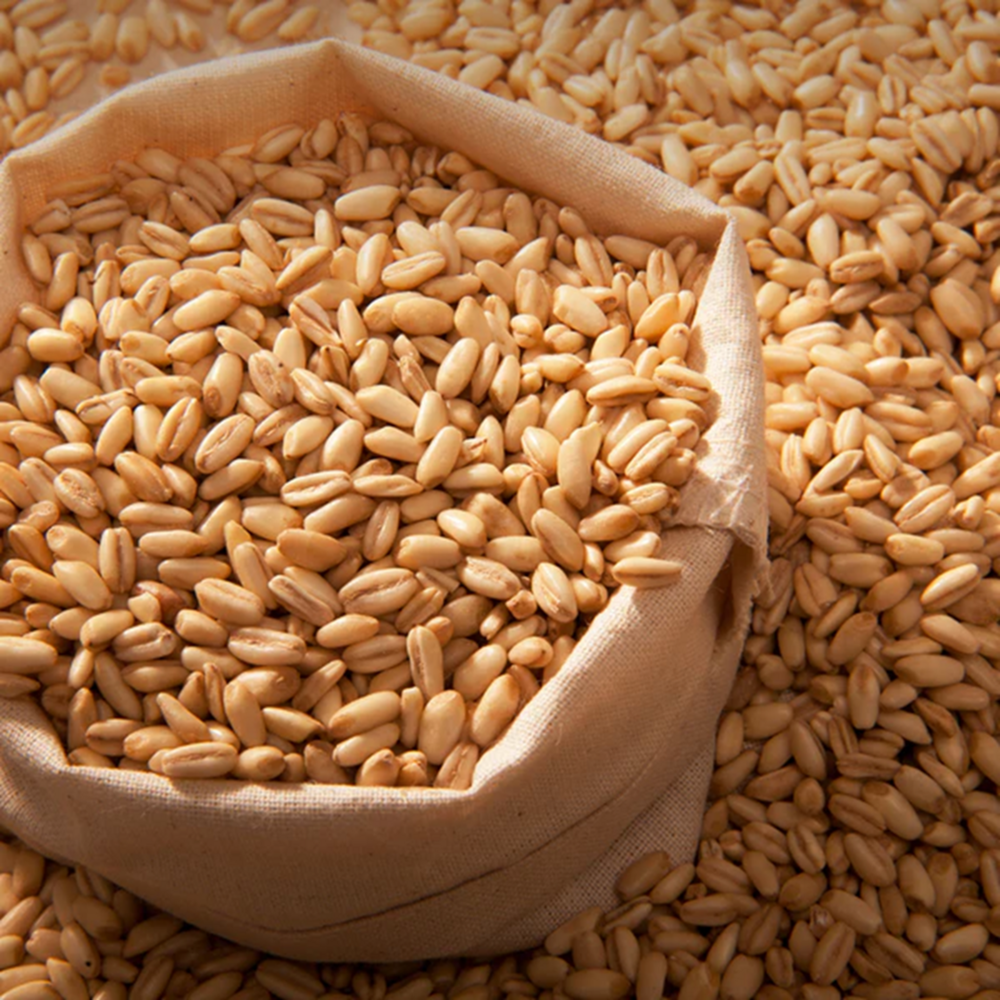
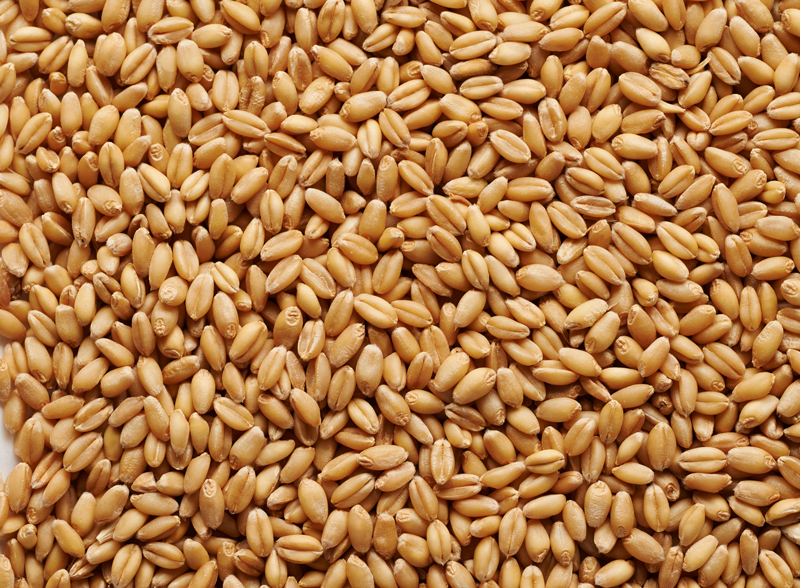
About Barley grain
- Moisture Content: Maximum 13.5% to prevent spoilage and mold growth during storage.
- Germination Capacity: Minimum 95% (often tested over 3 to 5 days) to ensure even and active starch modification during malting.
- Protein Content: Typically 10% to 12.5%; levels outside this range can cause filtration issues or haze in brewing.
- Kernel Plumpness: Minimum 75% to 85% retained on a sizing screen (such as a 6/64-inch screen) for uniform extract potential.
- Peeled & Broken Kernels: Maximum 5% to 6%, as damaged kernels can fail to germinate or modify incorrectly.
- Toxicity and Purity: Must be completely free of live insects, chemical residues, objectionable odors, and restricted mycotoxins like DON (deoxynivalenol)
Outstanding Purity and QualityEach batch of our premium barley grain undergoes stringent cleaning and grading to ensure a maximum of 0.5% foreign matter and 1% admixture. This meticulous process guarantees a product with superior purity, ideal for both food and feed applications, while our sun drying method preserves the grain's natural qualities.
Versatile Applications for Food and FeedBarley grain is renowned for its adaptability-it serves as a nutritious base for cereals, breads, and malt products, and is also a preferred ingredient in animal feed due to its digestibility and energy content. Our low-gluten, hard-textured grains meet the requirements for a range of global markets.
Packaging and Bulk Order ConvenienceWe offer barley in robust jute or PP bags, available in 25kg and 50kg sizes, engineered to protect the grains during storage and transit. With a minimum order quantity of 10 metric tons, we are equipped to fulfill the demands of large-scale buyers, guaranteeing both freshness and consistent supply.
FAQ's of Barley grain:
Q: How is your premium barley grain processed to ensure high purity?
A: Our barley grain is thoroughly cleaned and graded to limit foreign matter to 0.5% and admixture to just 1%. The grains are sun-dried, which naturally preserves hardness and color while maintaining moisture at a controlled 12%.
Q: What distinguishes this barley grain for human consumption and animal feed?
A: This barley grain is low in gluten and undergoes strict quality checks, ensuring minimal impurities. It is versatile, making it suitable for producing human food products like cereals and malt beverages, and as a high-nutrient component in animal feed.
Q: When is the barley grain harvested, and does it affect freshness?
A: The barley is sourced from the current crop year, ensuring you receive fresh, nutrient-rich grains. This commitment to timely harvest guarantees extended shelf life and peak quality for all applications.
Q: Where do your barley grains originate from?
A: Our premium barley grain is cultivated and supplied from South Africa, benefiting from the region's favorable growing conditions, which contribute to the consistent quality and golden color of the grain.
Q: What is the packaging process, and what sizes are available?
A: We package our barley in durable jute or PP bags, designed to protect the grains from moisture and contamination. Packaging options include 25kg and 50kg bags, tailored for convenient bulk handling.
Q: How can barley grain be used, and what are its primary benefits?
A: Barley grain can be used in human foods such as breads and cereals, or as animal feed. It is valued for its low gluten content, robust texture, and long shelf life, delivering both nutritional benefits and operational efficiency in storage and transportation.





 Send Inquiry

 Send Inquiry
 Send Inquiry