About OCC scrap
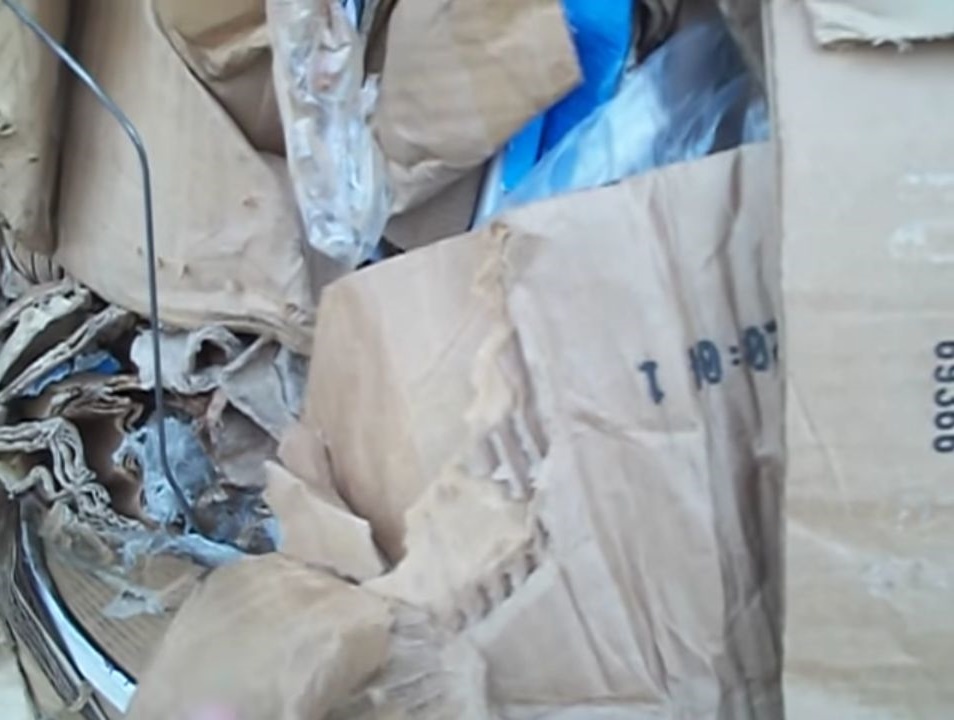
Mixed OCC: A lower-cost, poorly sorted category containing higher moisture and greater contamination levels (such as mixed paperboard or non-box packaging) requiring advanced screening at mills
Uses and Processing
- Processing: Requires advanced screening and pulping systems at the mill to remove higher levels of tape, wax, plastics, and foreign debris. [1]
If you need specs for a different grade, let me know if you are looking for OCC 11 (Standard) or OCC 12 (Double-Sorted)
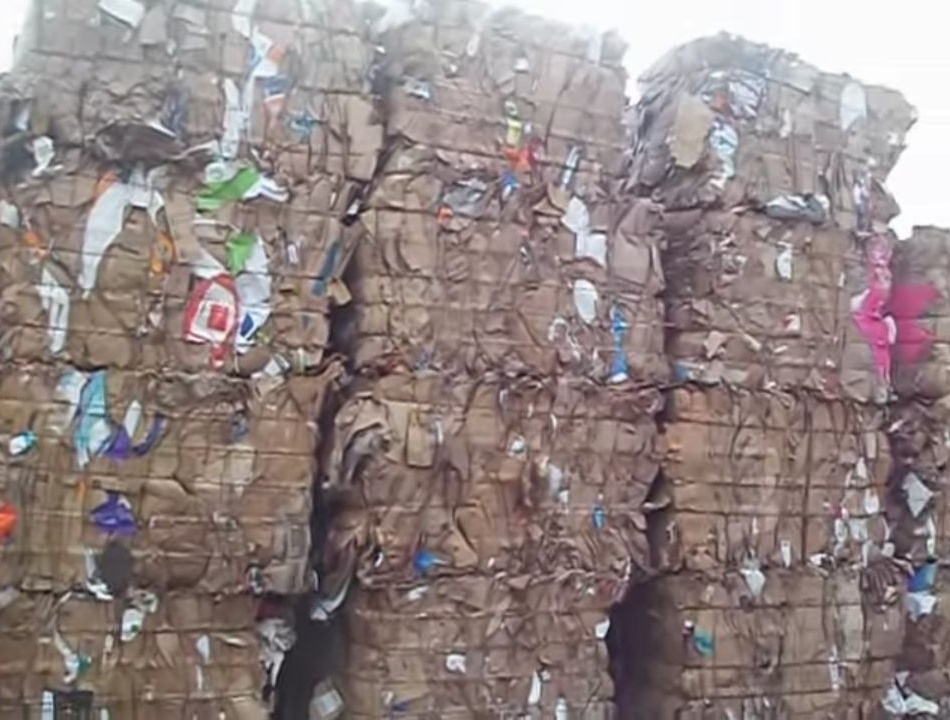
Top-Quality OCC Scrap for Reliable Recycling ResultsWe provide OCC (Old Corrugated Containers) scrap with high cellulose fiber content, well-suited for recycling and reprocessing requirements. Carefully sorted and compacted into dense bales, our product maintains a moisture content of less than 10% and over 95% purity. Trusted by recycling industries for its durability and optimal fiber yield, our OCC scrap offers a cost-effective and eco-friendly solution for paper manufacturers and recycling plants in South Africa and beyond.
Efficient Packaging and Seamless HandlingEach OCC bale features compacted, flattened cardboard with a variable length and thickness (2-7 mm), making it efficient for both manual and forklift loading. Baled weights typically range from 300 to 800 kg, streamlining the shipping, storage, and processing phases. This packaging method enhances workplace safety and boosts productivity for both small and large-scale recycling operations.
FAQ's of OCC scrap:
Q: How should OCC scrap be stored and transported for optimal quality?
A: OCC scrap should be stored in a dry area to maintain its moisture content below 10%. For transportation, compacted and baled OCC can be loaded using a forklift or manually, depending on the facility's capability. Secure, covered transport helps preserve product integrity during shipment.
Q: What is the process of recycling OCC scrap collected from your facility?
A: Collected OCC scrap undergoes sorting, shredding, and pulping to recover cellulose fibers. These fibers are then cleaned and processed into new paper-based products such as packaging materials and cardboard sheets. Our high cellulose content ensures maximum fiber recovery and quality in end products.
Q: When is the best time to order OCC scrap for continuous recycling operations?
A: It is advisable to place orders before your current stock runs low to maintain uninterrupted production cycles. We maintain consistent supply and can schedule regular shipments tailored to your needs, ensuring a steady and reliable flow of OCC scrap.
Q: Where is your OCC scrap sourced and exported from?
A: Our OCC scrap is sourced from post-consumer corrugated cardboard in South Africa. We work with reputable exporters, suppliers, and traders to deliver products both locally and internationally.
Q: What are the main uses of OCC scrap in the recycling industry?
A: OCC scrap is primarily used as raw material in the production of recycled paper, cardboard, and packaging materials. Its high cellulose fiber content and minimal contamination make it ideally suited for paper mills and packaging manufacturers.
Q: What benefits does your OCC scrap provide to reprocessing industries?
A: Our OCC scrap grants high fiber yield and consistent quality due to its >95% purity and high tear strength. This results in improved efficiency, reduced processing costs, and high-quality recycled products that contribute positively to environmental sustainability.





 Send Inquiry

 Send Inquiry
 Send Inquiry