About organic wheat
- Protein Content: Typically ranges from 10% to 14%, determining gluten strength and baking performance.
- Moisture Content: Usually capped at a maximum of 12% to 14% to prevent spoilage and fungal growth during storage.
- Test Weight / Specific Weight: Measures grain density, commonly required at 76 kg/hl minimum or around 60 lbs per bushel.
- Falling Number: Indicates enzyme (alpha-amylase) activity and sprout damage, with food-grade minimums usually around 220 seconds.
- Foreign Material & Impurities: Limits non-wheat organic/inorganic matter, stones, and dust to a maximum of 1% to 2%.
- Damaged Kernels: Restricts heat-damaged, sprouted, insect-bored, or diseased grains to low thresholds (typically 0.5% to 2% max)
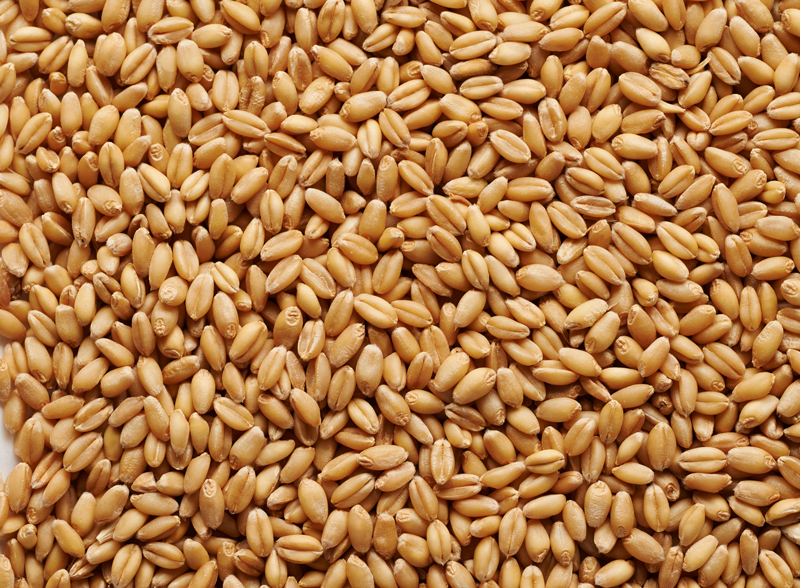
Superior Quality and PurityOur organic wheat undergoes rigorous post-harvest inspection, ensuring a high degree of purity (99% min), minimal admixture (0.5% max), and no impurities. Unprocessed grains maintain natural nutrients while being fully traceable to their South African origin. Each batch is sun-dried to naturally preserve the wheat's integrity without chemical intervention.
Versatile ApplicationsThanks to its high gluten content (12-14%), our organic wheat is perfectly suited for professional flour milling, artisanal baking, and daily human consumption. The hard texture and full-size grains yield exceptionally robust flour, making it ideal for a range of baked goods from rustic loaves to fine pastries.
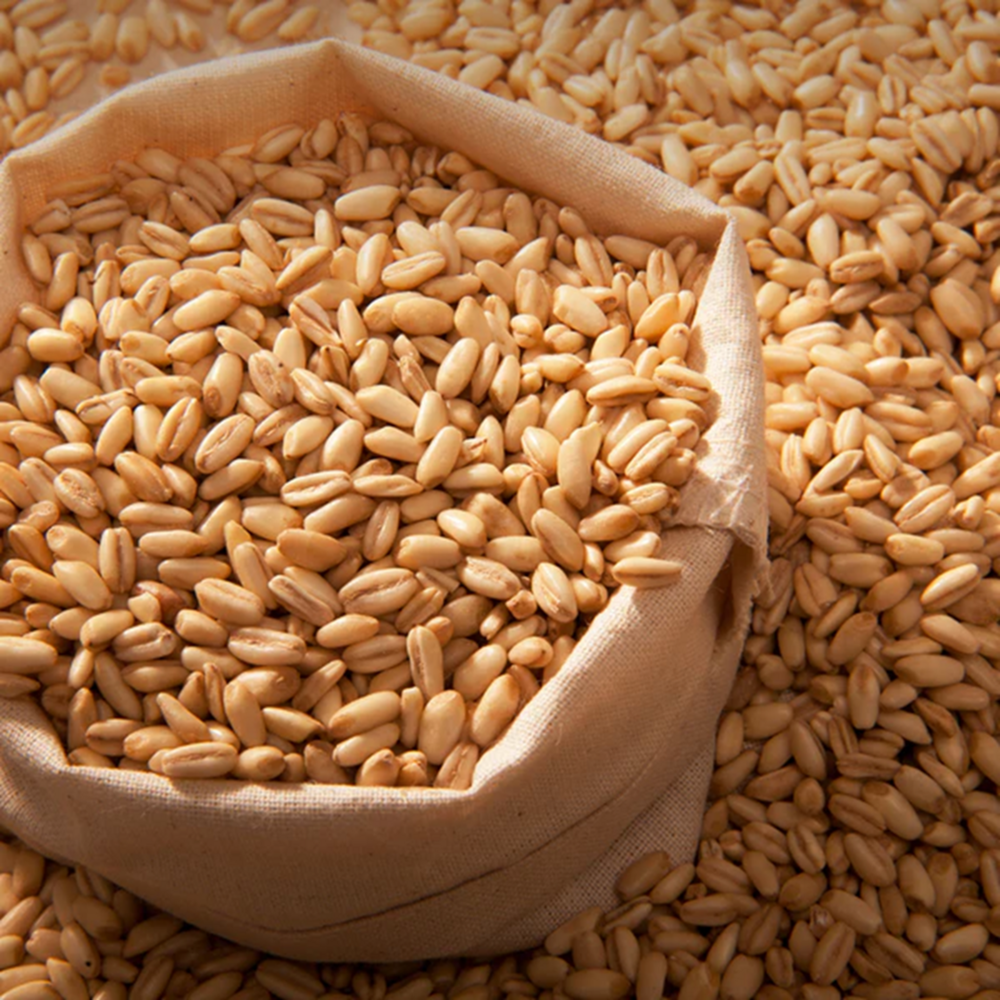
Long-Lasting FreshnessWith a 3-year shelf life and careful packaging in jute or PP bags, our wheat remains fresh and ready to use year-round. Proper storage in a cool, dry place preserves the grain's quality and flavor, allowing for consistent supply to bakers, millers, and export clients.
FAQ's of organic wheat:
Q: How should I store organic wheat to maximize its shelf life?
A: Store the organic wheat in a cool, dry, and well-ventilated area, away from direct sunlight and humidity. Keeping it in its original jute or PP bag ensures optimal freshness and prevents moisture build-up, helping the wheat retain its quality for up to 3 years.
Q: What makes this organic wheat suitable for flour milling and baking?
A: With a high gluten content of 12-14% and hard, full-size grains, this wheat is ideal for flour milling and baking. It produces a strong, elastic dough, resulting in superior bread and baked goods. The lack of impurities and chemical residues ensures wholesome and nutritious flour.
Q: When is this organic wheat harvested, and what is the crop year?
A: This wheat is from the 2026 crop year, guaranteeing you the latest harvest. It ensures maximum freshness, robust flavor, and long shelf life, suitable for customers seeking the newest produce.
Q: Where is your organic wheat sourced from?
A: Our organic wheat comes from selected local varieties grown in South Africa. We work directly with certified organic farmers, ensuring consistent quality and environmentally friendly cultivation practices.
Q: What is the process behind ensuring chemical-free organic wheat?
A: Our wheat is cultivated following strict organic methods-no synthetic chemicals or residues are used. It is sun-dried, left unprocessed and unpolished, ensuring all natural nutrition and flavors are preserved from farm to table.
Q: How can this organic wheat be used beyond baking?
A: Besides baking, our organic wheat can be milled for various flours used in pasta, noodles, and other wheat-based products. It's ideal for any food application requiring high-quality, pure, and wholesome grains.
Q: What are the main benefits of choosing this organic wheat for export or trade?
A: Its high purity, consistent grain quality, chemical-free assurance, and long shelf life make it an excellent choice for exporters and traders seeking reliable, premium organic wheat for diverse international markets.





 Send Inquiry

 Send Inquiry
 Send Inquiry