About OCC Grade 11
OCC Grade 11 (Standard OCC): This is the most common industry standard. It consists of used corrugated boxes and containers with kraft, jute, or test-liner facings. It allows a maximum of 5% combined outthrows (other paper types) and prohibitive materials
- Accepted Material: 100% corrugated cartons, cardboard trimmings, and boxes with kraft, jute, or test liners.
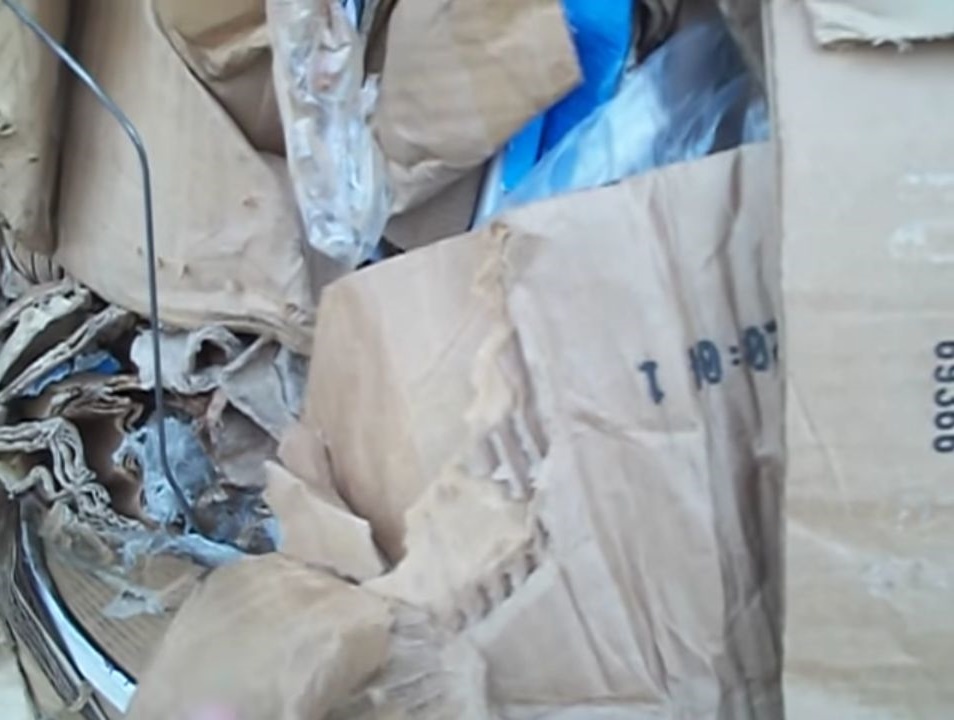
- Prohibited Materials (Max 1%): Metal (except staples), plastic, glass, wood, rubber, wet strength paper, and hazardous or medical waste.
- Outthrows / Other Papers (Max 5%): Boxboard, writing paper, or Asian OCC depending on regional ISRI Specifications. [1, 2]
Physical & Moisture Specifications
- Maximum Moisture Content: 8% to 12% maximum (ideal for indoor storage).
- Bale Weight: Minimum 300 kg (660 lbs), with an optimal weight around 800 kg (1,760 lbs).
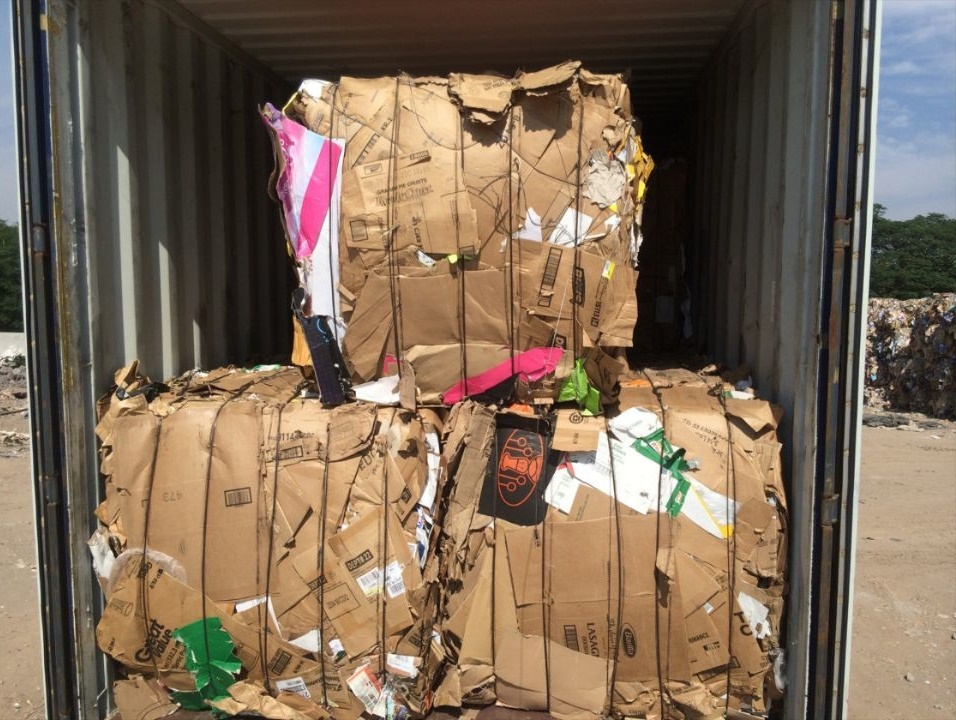
- Banning / Ties: Secured using steel wire ties only (no plastic banding or pallets). [1, 2]
If you are buying or selling this grade, let me know:
- Are you looking for local pricing or export standards?
Why Choose OCC Grade 11 for Recycling?OCC Grade 11 is widely favored in the recycling and packaging industry due to its superior purity (92%-95% corrugated paper) and controlled contamination levels. Its baled and compressed form makes handling and transportation efficient. With a minimal odor profile and stable moisture content below 12%, this grade ensures consistent results in paper recycling plants and box manufacturing applications, leading to higher-quality end-products.
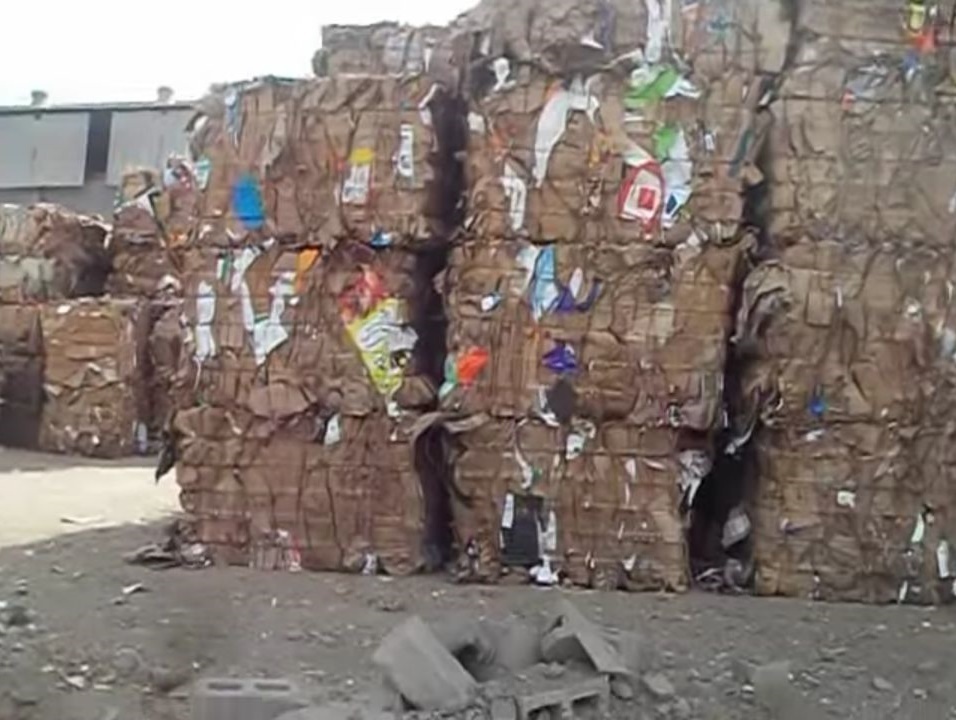
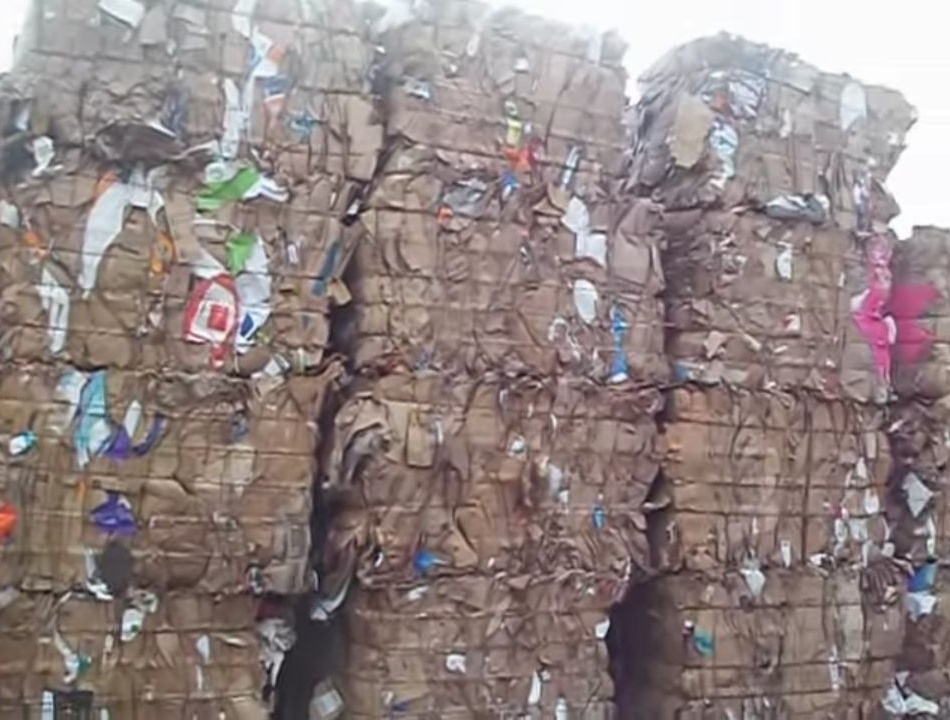
Quality Standards and PackagingEach OCC Grade 11 bale is wire-tied, uniformly compacted, and typically measures around 1-1.2 meters in length. The product's color is naturally brown with occasional printed or colored areas, depending on source. Composed of standard double-wall corrugated boxes (3-8 mm thick), these bales conform to international trading standards, ensuring reliability and ease of integration into existing recycling processes.
FAQ's of OCC Grade 11:
Q: How is OCC Grade 11 used in the recycling process?
A: OCC Grade 11 is primarily used as feedstock in paper recycling mills. The bales are broken down, pulped, and processed to produce recycled paperboard, which can be used for making new corrugated boxes and other packaging materials.
Q: What makes OCC Grade 11 suitable for box manufacturing?
A: With its high percentage of corrugated paper and low contamination levels, OCC Grade 11 delivers sturdy and consistent recycled material that is ideal for manufacturing durable boxes used in packaging and shipping.
Q: When should OCC Grade 11 be stored or handled to maintain quality?
A: To maintain quality, OCC Grade 11 should be stored in a dry, covered warehouse immediately upon delivery. Proper storage prevents moisture uptake and contamination, preserving the material's condition for recycling.
Q: Where does OCC Grade 11 typically originate from?
A: OCC Grade 11 is sourced from exporters, suppliers, and traders based in South Africa, and is available in international markets, meeting the needs of recycling and packaging industries globally.
Q: What is the process for ordering OCC Grade 11 bales?
A: Order quantities for OCC Grade 11 are specified by the supplier or exporter. Buyers should contact the supplier directly to discuss minimum order quantities, specifications, and logistical arrangements.
Q: How does using OCC Grade 11 benefit recycling businesses?
A: Utilizing OCC Grade 11 ensures a reliable stream of low-moisture, low-contamination raw material, optimizing efficiency in recycling operations and contributing to the production of high-quality recycled paper and packaging.
Q: What are the storage recommendations for OCC Grade 11?
A: OCC Grade 11 bales should be kept in a dry, covered warehouse environment. This minimizes exposure to moisture and contaminants, preserving the integrity and recyclability of the paper.





 Send Inquiry

 Send Inquiry
 Send Inquiry